
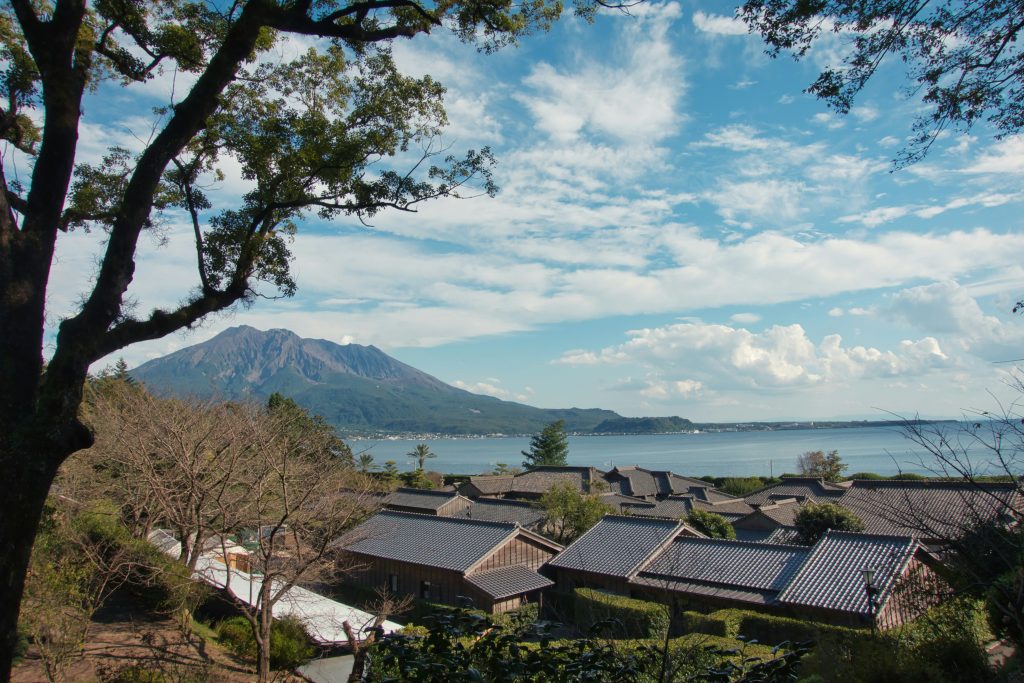
The introduction of Christianity into Japan began when St. Francis Xavier landed as a missionary in Kagoshima, Japan (on the island of Kyushu). By the end of that century, an estimated 300,000 Japanese had been baptized into the faith.
That in itself is remarkable but that Christianity survived in Japan for 250 years after despite the ensuing persecution and suppression and in the absence of any priest or missionary is practically a miracle.
The early Jesuit & Franciscan missionaries were part of a wider group of ‘new arrivals’ to Japan which included Portugese and Spanish traders, and with these arrivals came a growing awareness of European colonization ambitions in Asia. The line between missionaries and merchants was blurred in the Japanese mind and the missionaries were viewed as the vanguard of whatever plans were being hatched against Japan. The fact that they also encouraged loyalty to God and not to Japanese authorities, was also a cause for suspicion. As a result, in 1587 Christian missionaries were ordered to leave Japan by Toyotomi Hideyoshi (then ruler of Japan), though initially the edict was not enforced.
1596: A Sinking Ship
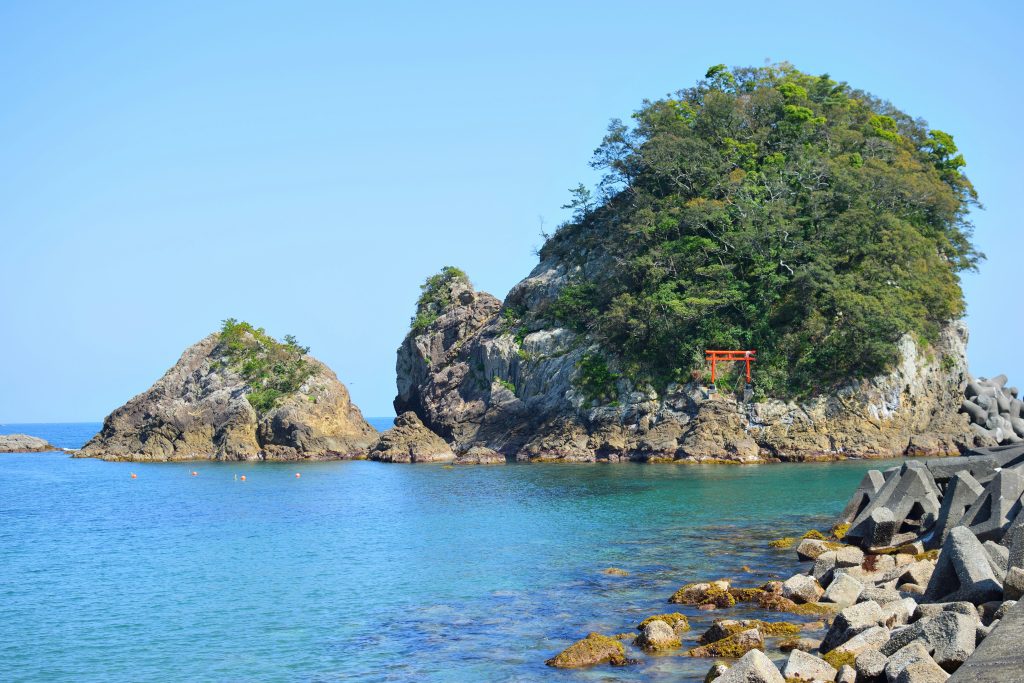
When the Spanish ship ‘San Felipe’ ran aground in Tosa (on the island of Shikoku) in the October of 1596, the authorities had come to the conclusion that Spain had intentions to conquer Japan and the ‘San Felipe’ was somehow involved, though the ship had actually been blown off course and was sailing for Acapulco, Mexico. Onboard, was a Mexican Franciscan Friar, Felipe de Jesus, who was due to be ordained a priest on arrival in Mexico due to the absence of a Bishop in Manila. Having just found himself by accident in Japan, he travelled to Kyoto and lodged at the Franciscan convent of Santa María de los Ángeles (St. Mary of the Angels)- on land given to the Franciscans by Hideyoshi himself. Several weeks later, on the 8th December 1596, Hideyoshi ordered the Franciscan community of Kyoto to be arrested.
Their crime? The friars had been openly preaching despite the 1587. prohibition. But that wasn’t the case for Felipe. He had never preached in Japan, he wasn’t even meant to be there. Yet he was one of the group of 24 Franciscans and associated Christians from Kyoto/Osaka imprisoned in Kyoto prison.
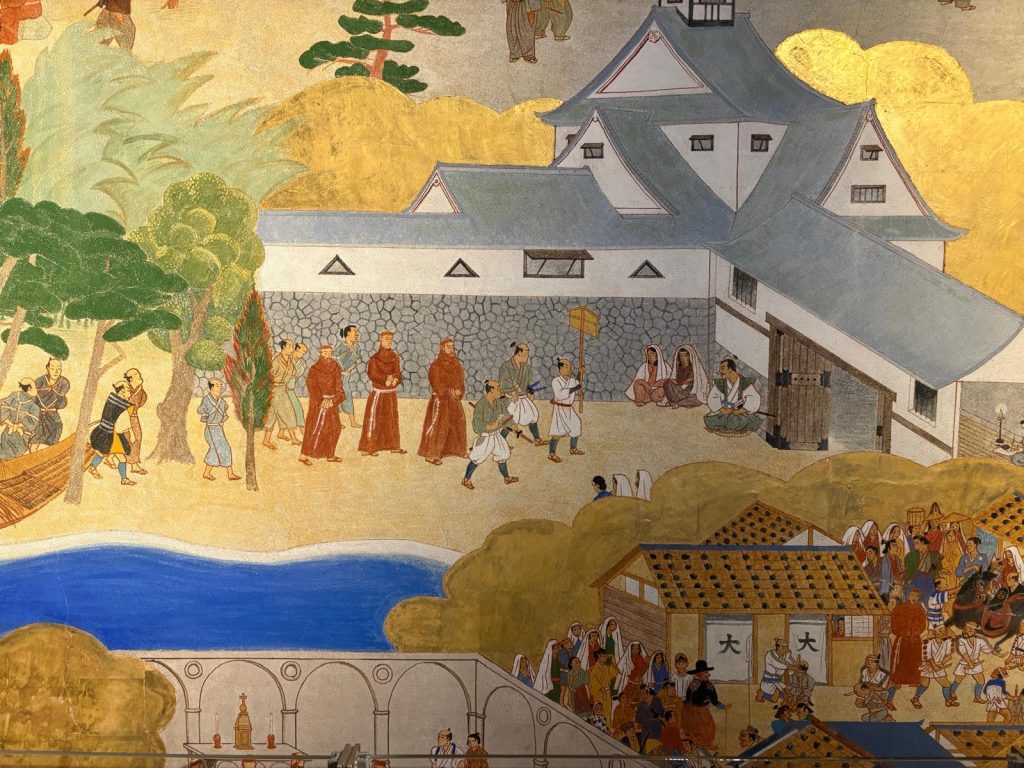
Their sentence? Crucifixion in Nagasaki but not before being publicly mutilated and paraded through the cities on the journey. The original sentence ordered that their noses and both ears be cut off but in practice only the left ears were cut off. The path to Nagasaki (almost 1,000 kms) was completed mostly on foot with the occasional boat trip such as the overnight boat trip to the port of Togitsu on the day before their execution- designed to force the prisoners to pass into Nagasaki overland and end up on a hill overlooking the city. They arrived in Nagasaki on the 5th of February, 1597.
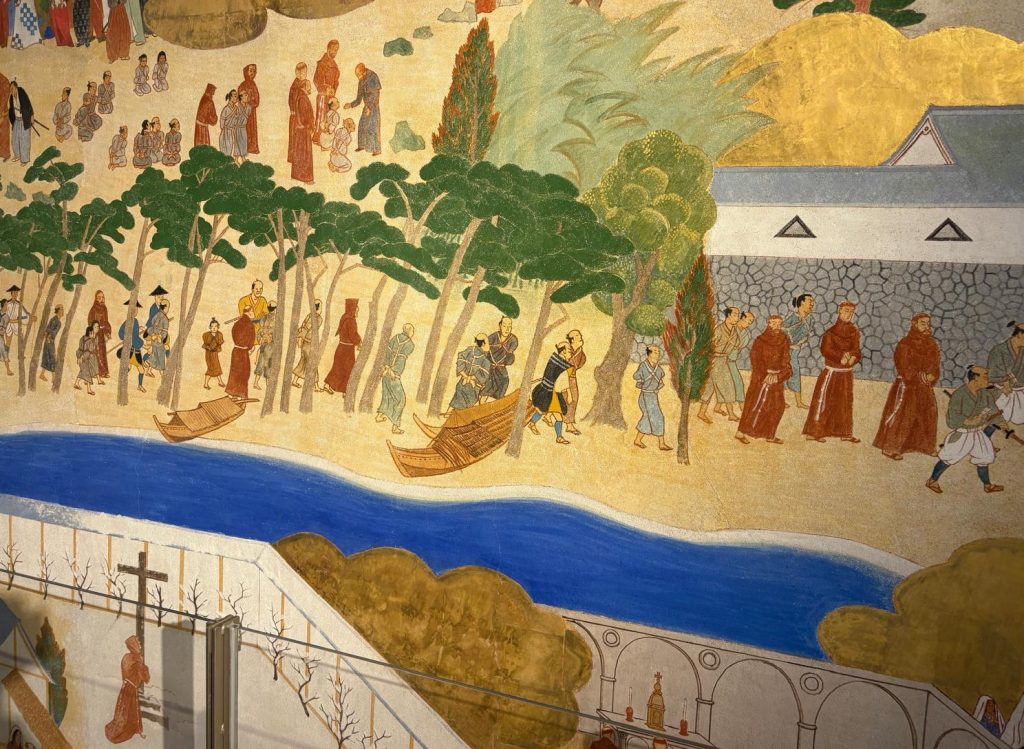
But by this time the prisoners ranks had swelled from 24 to 26. Two Japanese Christians who were not arrested had voluntarily joined the prisoners. In front of a crowd of up to 4,000 people, including Nagasaki-based Christians and Franciscan friars, all 26 were bound to crosses and put to death by being pierced with spears. One of the 26, Paul Miki, made an impassioned speech from his cross forgiving those responsible for his death, declaring that he was both Japanese and a member of the Society of Jesus; and affirming his faith.
Paul Miki was 33 years old when he died.
The hill side where St. Paul Miki (canonised in 1862) and his Companions were executed is now a major site of pilgrimage and home to the 26 Martyrs Museum: https://japan26martyrs.studio.site/top-English
Leave a Reply